Peptide Purity Guide 98%, 99% & Research-grade Described Prg
Understanding Peptide Scientific Research Pureness: What 99%+ Actually Means
HPLC can sustain insurance claims about chromatographic pureness, contamination optimal problem, and destruction trends when the approach is proper and the chromatogram is available. If a peptide is re-tested after storage space stress and anxiety, HPLC can expose whether new pollutant heights have actually shown up or whether the primary peak area has actually decreased. This links straight with dealing with topics such as peptide storage space and peptide reconstitution. As an examples of product-level context, compare the anticipated masses for Retatrutide, BPC-157, and Semaglutide.- Paperwork testimonial asks whether the report is batch-specific, deducible, and detailed enough to be audited.
- The pureness of peptides is usually checked making use of high-performance fluid chromatography (HPLC).
- We supply all the technological details and guidelines for each and every action of peptide synthesis and analysis.
- When you see peptides marketed as "research-grade," it refers to their intended usage and the degree of manufacturing oversight.
Sample Preparation
A lot of peptide distributors and research laboratories rely on a number of reputable logical approaches. All items are sold for study, laboratory, or analytical purposes just, and are not for human use. Item summaries and classifications do not suggest any kind of therapeutic results. At Chameleon Peptides, every item ships with thorough third-party screening documents. You can learn more regarding our logical testing methods on our testing and quality web page. A 2016 survey released in Nature found that greater than 70% of researchers had tried and failed to replicate an additional researcher's experiments.
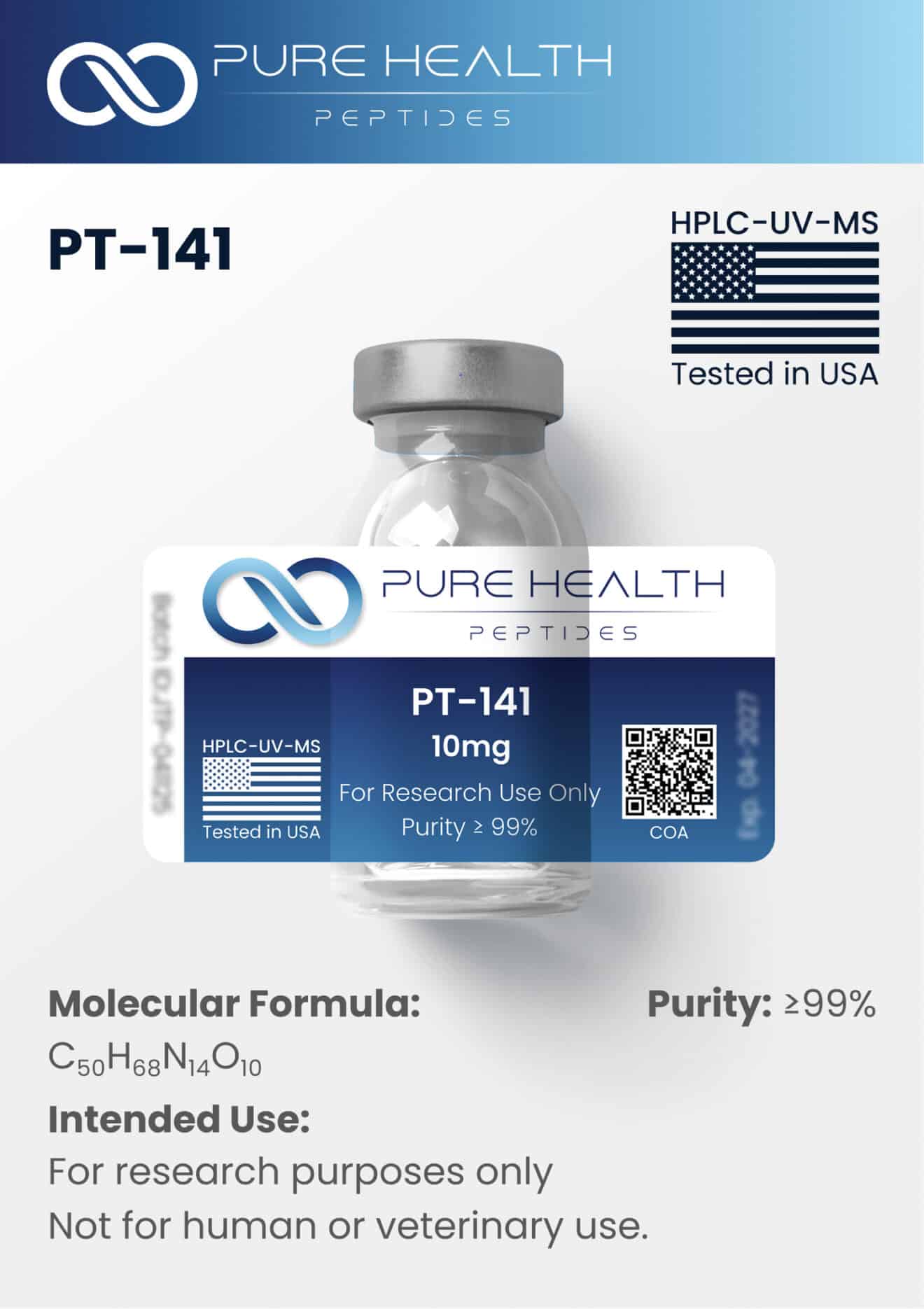
In vivo tests examine absorption, distribution, metabolic process, and excretion (ADME) characteristics, even more confirming efficiency and safety and security. These screening solutions not only assist customers maximize products precisely during advancement yet additionally supply strong data sustain Additional reading for governing compliance of peptide formulas. Be cautious of COAs that offer a purity number with no sustaining chromatographic data, record pureness without defining the logical technique, or checklist a molecular weight without mass spectrometry verification. Tandem mass spectrometry (MS/MS or MS ²) pieces the peptide ions in the gas stage and evaluations the fragment masses. This is the gold standard for peptide identity-- it confirms both the composition and the sequence. For numerous peptide jobs, absolute peptide amount matters as high as chromatographic pureness.
Unlike a maker's in-house screening, independent third-party lab validation is objective and offers unbiased outcomes, including trustworthiness via objective logical information. This process is important for keeping high peptide high quality since the peptide market is greatly unregulated in several locations, and without recognition some vendors may supply impure, mislabeled, and even phony peptides [3] Ensuring that each batch undergoes appropriate lab screening aids verify the peptide's authenticity and pureness, which is vital for both study credibility and safety. Peptide purity describes the percent of your sample that is the appropriate, full-length peptide series, free from other peptide-related pollutants. As an example, a purity of 98% indicates that 98% of the peptide product is the desired product, while the other 2% might be undesired residues of synthesis (such as incomplete series or amino acid deletion versions).
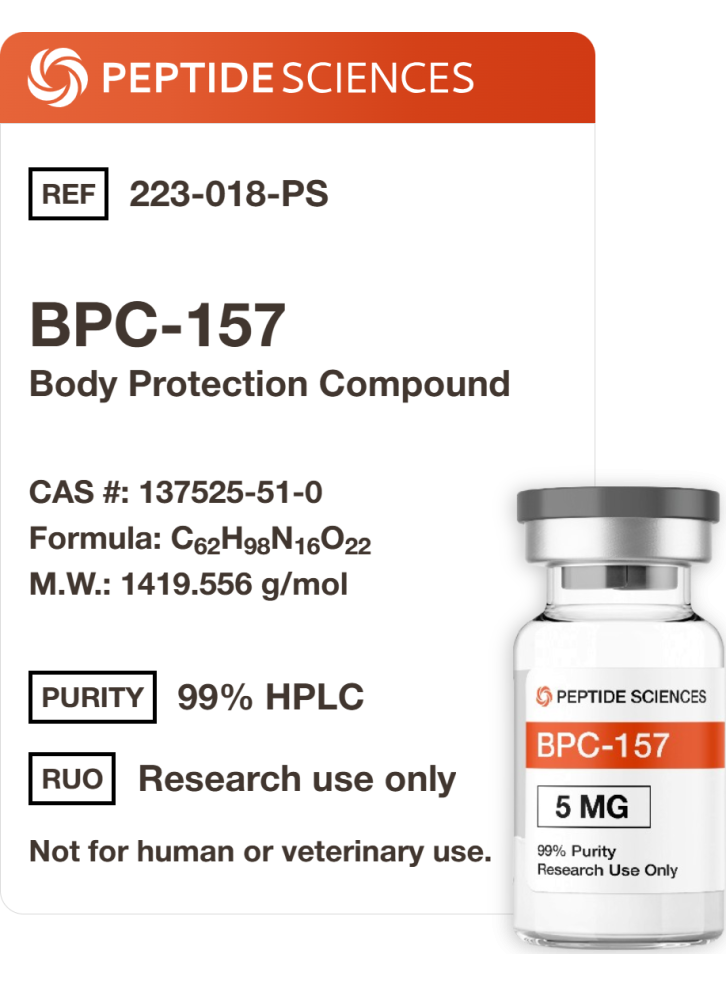
Why Should Scientists Demand Third-party Recognition?
Examinations can be carried out making use of high-precision stabilization chambers, mimicing different environments, and applying global requirements to research temporary and long-term stability, important for regular peptide efficiency. Some peptides fall short not because the series is wrong, yet because their physical actions in actual solvents is inadequately recognized. We offer physical home testing that aids groups work more effectively with difficult examples. Mass spectrometry confirms whether the measured mass matches the expected peptide mass. The chromatogram is one of the most vital aesthetic information element on an HPLC peptide test record. It is a chart with time on the straight axis and detector reaction, usually UV absorbance, on the vertical axis.
For the majority of readers of a peptide beginners' guide, "research-grade" is the world you run in. It assures you that the peptide will certainly execute well in experiments (thinking purity and identification are as specified), yet it likewise lugs the caution "Research study Use Only." This phrase is typically printed on the vial or documentation. It functions as a pointer and legal please note that the product is not a restorative or consumable.An approved lab follows strict standards for examination precision and technique validation. You can typically examine if a laboratory is certified through its site or paperwork; accreditation guarantees the laboratory's methods and results are held to worldwide standards. With high levels of experience in carbohydrate chemistry and our detailed peptide analysis platform, Imaginative Peptides can supply top notch peptide pureness determination solutions. According to rigorous evaluation quality assurance and biosynthetic quality control requirements, each peptide is strictly checked during the analysis cycle.Peptide testing is the collection of logical checks utilized to evaluate a peptide sample before it is utilized in a study operations. In sensible COA evaluation, the term usually describes purity screening, identity testing, and paperwork review. Purity testing asks just how much of the identified sample is the major peptide versus related impurities. Identification testing asks whether the determined mass or sequence-related proof matches the intended peptide. Documentation evaluation asks whether the record is batch-specific, deducible, and outlined sufficient to be examined. Peptide screening is the analytical process made use of to verify that a study peptide is both pure and appropriately identified.
In easy terms, a peptide provided as 95% pure is composed mainly of the target peptide (95%), with the staying ~ 5% composed of contaminations. These pollutants can include things like reduced or trimmed sequences, removal versions, oxidized residues, or other minor side-products from the synthesis process. Peptides are commonly made use of in the clinical aesthetics, cosmetics, and biomedical fields due to their distinct organic activity and wide application possibility. Nevertheless, the high quality of peptide products directly influences their efficiency and safety, making exact quality screening solutions critical.