Comprehending Peptide Pureness Screening
Recognizing Peptide Pureness Testing At minimum, identity and purity need to be verified per batch. Suppliers who supply the very same COA for months of production are not showing appropriate quality assurance. The process works by passing the peptide service via a column loaded with specialized material. Various compounds connect with this material in a different way, triggering them to emerge from the column at various times. A detector measures what comes out, creating a chromatogram showing heights for each substance existing. The Limulus Amebocyte Lysate (LAL) examination is the common method for endotoxin quantification. It makes use of a thickening reaction from horseshoe crab blood cells that is particularly activated by microbial LPS. Results are revealed in Endotoxin Units per milligram (EU/mg) or per milliliter (EU/mL). The main approaches for measuring peptide purity are High-Performance Fluid Chromatography (HPLC) and Mass Spectrometry (MS). HPLC divides the target peptide from pollutants, measuring pureness. MS confirms the peptide's identity by gauging its precise mass. These 2 methods offer corresponding details and are the gold requirement in the peptide sector. Peptide pureness indicates the percentage of the target peptide sequence in an example contrasted to contaminations. It's important due to the fact that contaminations can alter research results, influence medicine safety and security, and concession experimental reproducibility, making high pureness vital for precise scientific research.
Identity Confirmation Testing
Imaginative Proteomics supplies peptide purity evaluation utilizing analytical reversed-phase HPLC incorporated with mass spectrometry. They supply MALDI-TOF MS and other mass spectrometry choices routinely. Mass spectrometry (MS) verifies peptide identification by measuring molecular weight. The strategy identifies the exact mass of the peptide, which functions as a molecular fingerprint. If the gauged mass matches the expected mass for your peptide series, you have verification that the proper substance is present. And the only means to know what you're actually getting is through proper logical screening. " It does not, by itself, prove that the major top is the desired peptide. A sample could produce a clean-looking chromatogram with one leading peak and still be the incorrect substance if identification was never validated. HPLC measures separation and family member peak area; mass spectrometry steps mass-to-charge habits that can be utilized to verify molecular identity.The Tops
Is 95% purity good for peptides?
Peptides with an 85% purity level or higher are typically made use of in enzyme assays or organic task researches. Peptides with pureness higher than 95% are exceptional for quantitative evaluation.
- This is very rarely the instance, nevertheless well a method is maximized, and the risk of side reactions and insufficient reactions suggests that peptide pureness becomes a vital problem in the context of the application.
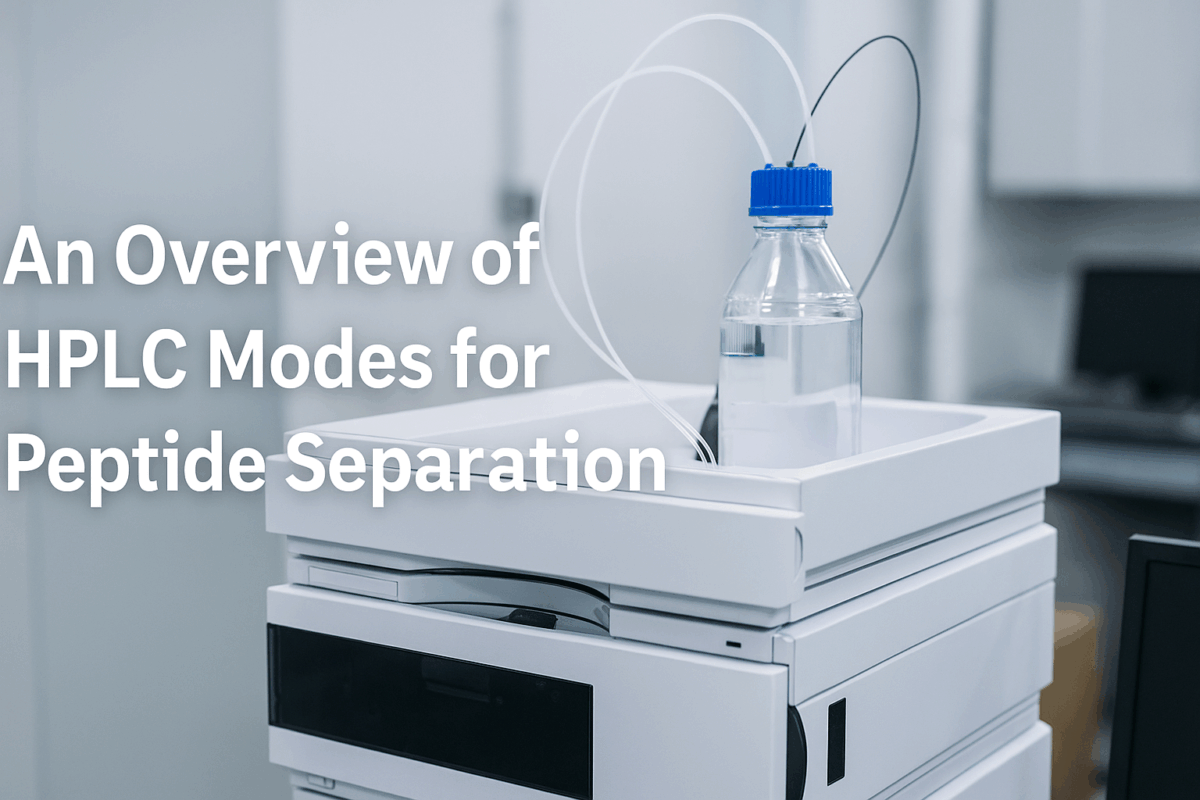
- A contemporary HPLC system contains a number of integrated elements, each offering a details feature in the separation and detection process.
- By clicking "Yes", you confirm that you are 21 years old or older, concur that any type of products acquired will certainly be made use of purely for research study objectives and accept our Terms of Service.
- Peak Research laboratory is a specific distributor of high-purity chemical reagents and peptides.
Certifications Of Evaluation
The real materials were a GHRP analog with powerful cardio impacts. COAs remain one of the most useful devices offered when evaluating research study peptide high quality. Mass spectrometry assesses molecular mass and can help verify peptide identity. For several scientists, HPLC data serves as among the primary top quality indicators evaluated throughout distributor examination. Organizations acquiring wholesale research peptides usually examine pureness paperwork prior to positioning bigger orders. Peptide pureness testing describes analytical treatments utilized to evaluate the structure and quality of a peptide example. To make certain full objectivity, we pick random examples directly from the completed production batch for independent lab screening. The very same product customers receive is the product sent for analysis. Making use of high-performance fluid chromatography (HPLC), we verify that the energetic component material is at the very least 99% pure. This eliminates fillers and pollutants, making certain the purity of every dosage. Trace amounts of solvents used during synthesis and purification-- acetonitrile, dimethylformamide (DMF), dichloromethane-- can stay in the final product. These are basic study context monitorings, not item specs. Methionine and cysteine deposits can be susceptible to oxidation. Oxidation modifications molecular buildings and can shift retention habits, creating unique chromatographic heights or relevant mass shifts. Asparagine and glutamine residues can go through deamidation, transforming the peptide's fee and hydrophobicity. Deamidation is one factor storage space PharmaGrade.Store anti-aging peptides problems issue, specifically after a peptide has been reconstituted. Our Certified Peptide Synthesis Laboratory is specifically developed and run to permit the custom synthesis of peptides in accordance with specified procedures and under recommended research laboratory problems. For peptide purity testing, reverse-phase HPLC is the typical conceptual model. Related impurities appear as smaller sized peaks at various retention times. The chromatographic purity is then determined by comparing the area under the main top with the total location under all integrated optimals.